
Image Source: AI Generated from Promeai.pro
Social media marketing continues to transform remarkably. Advertisers will spend $10 billion more on social video advertising than traditional television by 2025. This represents a fundamental change in how marketing artificial intelligence shapes our digital world.
The content creation landscape shows dramatic changes, where 60% of social content aims to entertain, educate, or inform audiences. AI marketing trends have revolutionized brands’ approach to visual content through automated image generation and sophisticated performance tracking. Social media marketing artificial intelligence tools have become crucial to create the 1 billion daily short-form videos that appear on platforms like TikTok.
This detailed guide is about how AI image tools disrupt social media marketing. We will explore their capabilities, applications, and the challenges marketers will face in 2025.
Current State of AI Image Tools
AI image generation has altered the map dramatically. Content creators and marketers now have many powerful tools at their disposal. Text-to-image AI generators are now the second most popular use case for AI, right behind language models.
Popular AI image generators
Google’s ImageFX now dominates the market by offering high-quality, realistic images at no cost. Midjourney and DALL-E 3 have emerged as strong alternatives, each with its own strengths. Midjourney shines when creating artistic and lifelike images. DALL-E 3 excels at handling complex image generation requests.
Key features and capabilities
Today’s AI image generators come packed with impressive features:
- Text-to-image conversion with detailed prompts
- Image editing and customization options
- Style variation and artistic controls
- Commercial usage rights management
Adobe Firefly has merged these features into its Creative Cloud suite, which offers both image generation and robust editing capabilities. Getty Images and Shutterstock have developed their own AI generators that use only their licensed content libraries.
Integration with social platforms
Social media platforms welcome AI image generation through native tools and strategic collaborations. Microsoft’s Designer, powered by DALL-E 3, helps users create social media posts, invitations, and digital graphics naturally. These tools adapt to platform-specific needs and offer preset dimensions and formats for different social networks.
These tools have gotten better at understanding and executing complex prompts. To name just one example, Leonardo AI offers detailed free plans with fast processing speeds. Stable Diffusion provides extensive customization options through its open-source framework.
Progress in AI image generation has raised questions about copyright and commercial use. Getty Images now provides full protection for commercial use of AI-generated images. This addresses a vital concern for marketing artificial intelligence applications.
How AI is Changing Content Creation
AI-powered tools have transformed the creative world. Recent surveys show that 63% of professionals now use AI-powered technologies in their work. This marks a significant progress in how content gets developed.
From manual editing to AI assistance
Creators have changed their approach as they moved from traditional to AI-assisted workflows. AI now automates routine tasks that once took valuable time and resources. These tools handle research, data analysis, and content optimization. This lets creators concentrate on strategy and creativity.
The technology does more than simple automation. AI analyzes big datasets to extract useful insights that help creators refine their content strategies. To cite an instance, AI algorithms scan social media platforms, forums, and blogs. They identify trends and changes in public sentiment. This gives immediate audience insights that shape content decisions.
Time-saving benefits
AI adoption brings remarkable efficiency gains. Studies predict professionals will:
- Up to 4 hours per week by 2025
- Nearly 200 hours annually per person
- Up to 50% reduction in content creation time
These time savings change how creators work. Social media content creators save up to an hour per content piece. With recommended posts of 1-2 times daily per channel, creators save about 60 hours monthly.
This extra time allows professionals to focus on activities that matter more. Industry data reveals 51% of creators now use AI to automate content creation tasks like generating post captions. Meanwhile, 38% exploit it to analyze trends and generate content ideas.
AI tools have made content production available and cost-effective for creators everywhere. Social media marketers benefit especially when AI-powered tools handle caption generation and trend analysis. This makes the entire content creation process efficient.
AI’s integration into content creation represents a complete reimagining of creative work. AI reduces time spent on routine tasks. This allows professionals to invest their energy in creative strategy and audience involvement. The result is more influential content.
Social Media Marketing with AI Images
Brands are quickly moving to marketing artificial intelligence to improve their social media presence. Recent data shows that 55% of businesses already use AI for creating social media posts. This marks a big move in digital marketing practices.
Brand identity creation
AI tools have changed how brands build and maintain their visual identity on platforms. At first, these systems analyze trends, colors, and typography styles to create professional-grade designs within minutes. AI-powered platforms help businesses automate brand identity formation and create on-brand content for social media without much effort. At the same time, tools like uBrand and Looka offer hundreds of branded templates that match logo designs. These include social media posts and stories customized for different platforms.
Campaign automation
Marketing strategy artificial intelligence has changed campaign management through smart automation. Social media teams now save 50% of their content creation time with AI tools that handle everything from scheduling to optimization. These platforms look at past engagement patterns to find the best posting times and adjust content for different channels.
Automation helps with:
- Content recycling without redundancy
- Cross-platform post optimization
- Dynamic ad creation and placement
- Real-time engagement monitoring
Performance tracking
AI marketing insights have become better at measuring campaign success. AI-powered analytics tools process big amounts of data to give up-to-the-minute information about user engagement and content reach. These platforms track brand mentions, hashtags, and keywords. This helps marketers understand public sentiment and improve their strategies based on data.
The results speak for themselves – companies using AI for social media management see big improvements in campaign performance. Through predictive analytics, these tools can show future engagement trends based on historical data. This helps brands make better decisions about their content strategy.
All the same, AI’s true strength in social media marketing comes from its complete performance metrics. AI helps brands understand what appeals most to their audience by analyzing social media interactions, purchase patterns, and online reviews. This leads to more targeted and effective campaigns.
Common AI Image Applications
AI-powered image tools have reshaped how businesses create visual content. These smart applications help users build their brand on social media platforms and boost both personal and professional digital presence.
Profile picture enhancement
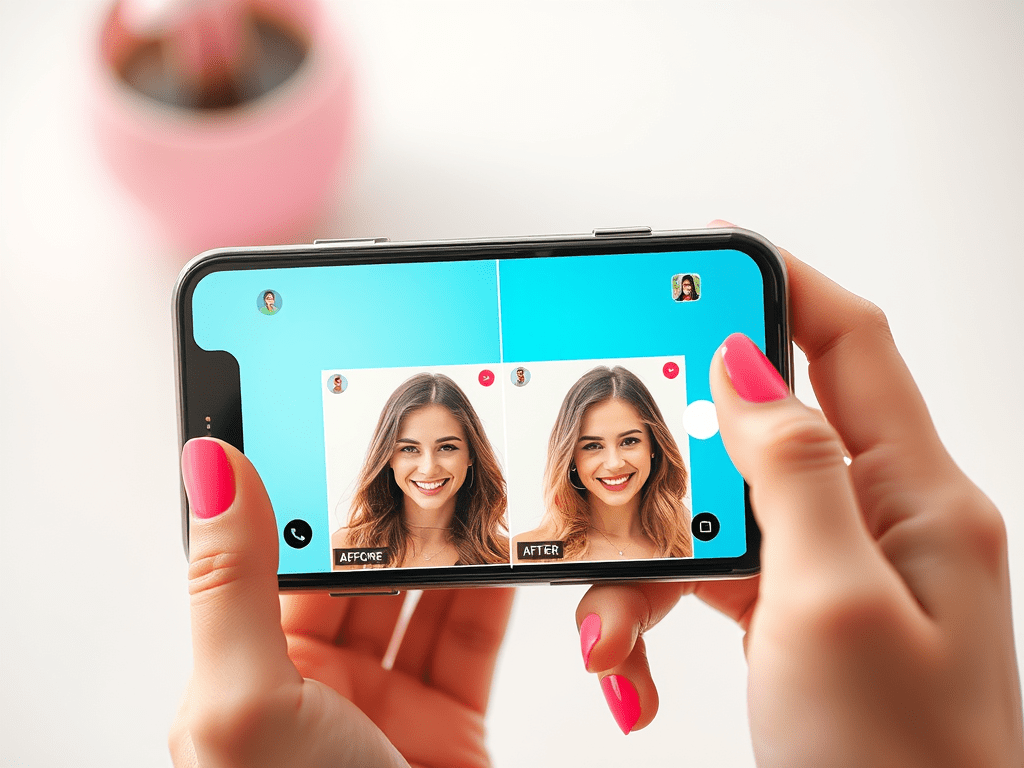
Professional profile pictures are vital for digital networking today. Studies show that users receive 36 times more interactions with a professional profile picture. AI-powered tools like PFPMaker and Fotor turn regular selfies into polished professional headshots. These tools automatically adjust lighting, remove backgrounds, and boost facial features instead of spending hours on manual editing. The technology has become so advanced that even grandparents can’t tell the difference between AI-enhanced photos and traditional professional shots.
Product photography
Marketing artificial intelligence has reshaped product photography. AI tools now let businesses create professional product images without expensive equipment or studio setups. These platforms give you the following capabilities:
- Instant background removal and replacement
- Lighting and shadow adjustments
- Multiple style variations for different platforms
- Automatic size optimization for various social channels
Tasks that once took days in a studio now take seconds. This change has substantially reduced production costs while maintaining professional quality.
Background generation
AI marketing trends have reshaped how we create backgrounds for social media content. Traditional methods needed extensive photoshop skills, but current AI tools can generate custom backgrounds through simple text prompts. These systems excel at creating visual environments that range from professional studio settings to lifestyle scenes.
The technology handles complex requirements well. Tools like Photoroom offer professional studio templates that match specific brand colors. Marketers can also generate new backgrounds using text descriptions or reference images. This feature makes it easier to keep brand esthetics consistent across marketing channels.
Digital marketing artificial intelligence has made these tools available to more users. Many platforms offer free generations and only charge for downloaded images. This wider access to professional-grade image creation lets businesses of all sizes maintain high-quality visuals on social platforms. We’re seeing a fundamental change in social media marketing artificial intelligence practices.
Challenges and Limitations
Marketing AI has made huge strides, but businesses still face major hurdles when adopting AI image tools. These roadblocks shape how companies use digital marketing AI in their strategies.
Copyright concerns
The U.S. Copyright Office has set clear guidelines that AI-created works can’t receive copyright protection. Only human-created elements of AI-generated content qualify for protection. This stance affects how marketing teams use AI marketing trends in their campaigns.
The ownership question gets trickier with multiple stakeholders. The user who creates the prompt, AI tool developers, and original artists who trained the system might all claim rights. Of course, this gray area has sparked several lawsuits against platforms like Stable Diffusion, Midjourney, and Deviant Art for copyright infringement.
Quality issues
AI-generated content shows limitations in several ways:
- Inconsistent branding: AI tools create visuals that don’t match brand guidelines
- Technical constraints: Images often turn out low resolution, grainy, or blurry
- Bias concerns: Recent cases show problems with diversity representation in Google’s Gemini and Meta’s Imagine AI tools
A newer study shows that 90% of viewers have concerns about AI-generated content. 45% worry about accuracy, 24% about quality, and 21% about content origins. These numbers highlight the challenges social media marketing AI faces.
Platform restrictions
Social media platforms now enforce strict rules for AI-generated content. TikTok and Meta ask creators to disclose when they use AI tools. YouTube requires disclosure for realistic AI alterations and demands prominent on-screen labels for sensitive topics.
These platforms handle marketing strategy AI through:
- Automatic detection and labeling of AI-generated content
- Removal of undisclosed AI-generated materials
- Restrictions on certain types of AI-modified content
Platform-specific rules add another layer of complexity for marketers. Whatever tools they use, 87% of viewers prefer content with real people over AI-generated avatars. This preference shapes how businesses use AI marketing insights on different platforms.
Social platforms invest heavily to curb automated content due to algorithmic manipulation and privacy concerns. These measures, while important, can block legitimate AI marketing efforts. Companies must balance automation with authenticity in their social media strategies.
Conclusion
AI image tools have transformed social media marketing and created new possibilities for content creation and brand building. These tools save much time and resources, but marketers must balance automation with authenticity to keep their audience’s trust.
The technology shows great promise. Current limitations about copyright protection, image quality, and platform restrictions need careful thought. Notwithstanding that, many brands already show how AI can boost social media presence without losing creative control or brand identity.
Advanced AI image generation will address today’s quality issues and platform restrictions. You can get the latest AI image news and stay ahead of competition by subscribing to our page. Note that AI tools work best when you combine them with human creativity and strategic thinking – they should boost, not replace, your marketing expertise.
Marketers who become skilled at both AI capabilities and authentic human connection will own the future of social media. Start small, test different tools, and add AI to your workflow as you gain confidence with these powerful technologies.
FAQs
How are AI image tools changing social media marketing in 2025? AI image tools are revolutionizing social media marketing by automating content creation, enhancing brand identity, and improving campaign performance. They save time, offer advanced editing capabilities, and provide valuable insights for marketers.
What are some popular AI image generators used in social media? Some popular AI image generators include Google’s ImageFX, Midjourney, DALL-E 3, and Adobe Firefly. These tools offer various features like text-to-image conversion, image editing, and style customization for social media content.
How much time can marketers save by using AI image tools? Marketers can save significant time with AI image tools. Studies suggest professionals can save up to 4 hours per week, or nearly 200 hours annually. For social media content specifically, users report saving up to an hour per piece of content.
What are the main challenges of using AI-generated images in marketing? The main challenges include copyright concerns, as AI-generated works may not be eligible for copyright protection. There are also issues with image quality, consistency with brand guidelines, and platform restrictions on AI-generated content.
Do audiences prefer AI-generated content or content featuring real people? Studies show that 87% of viewers prefer content featuring real people over AI-generated avatars. This preference highlights the importance of balancing AI-generated content with authentic, human-created material in social media marketing strategies.


 PixelOne.AI
Leave a comment